✨ New Arrivals Just Dropped!Explore
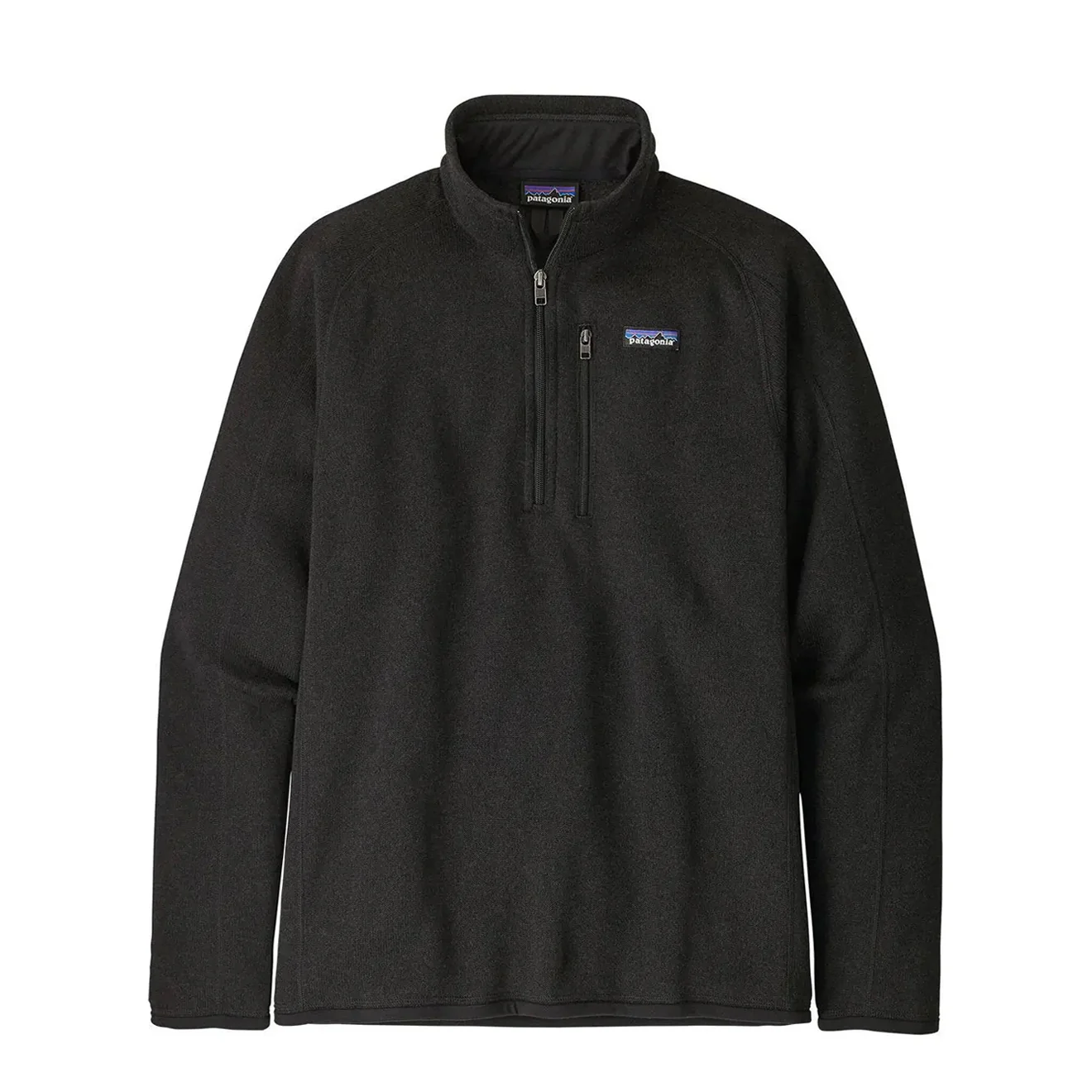
Patagonia Better Sweater 1/4 Zip Fleece Black
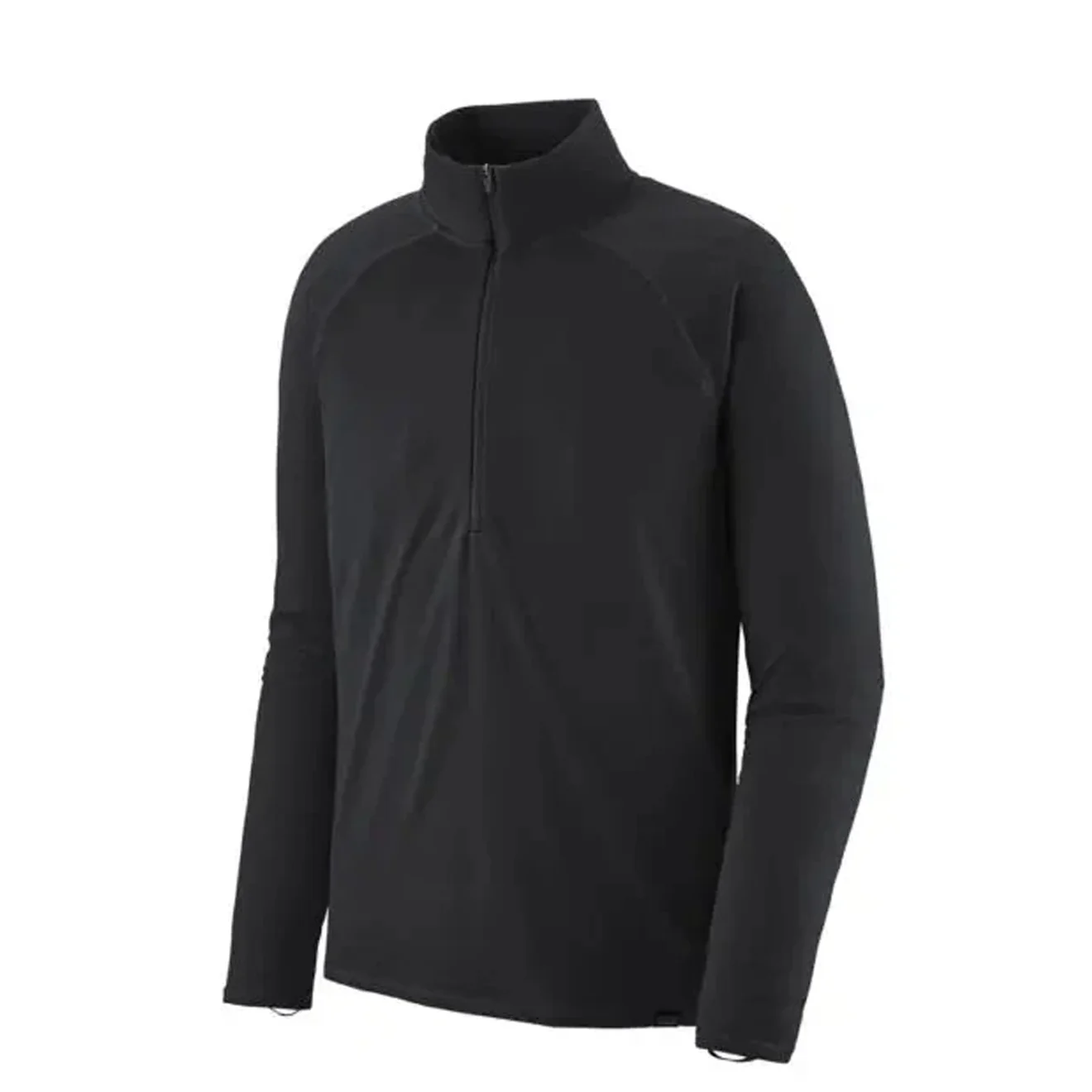
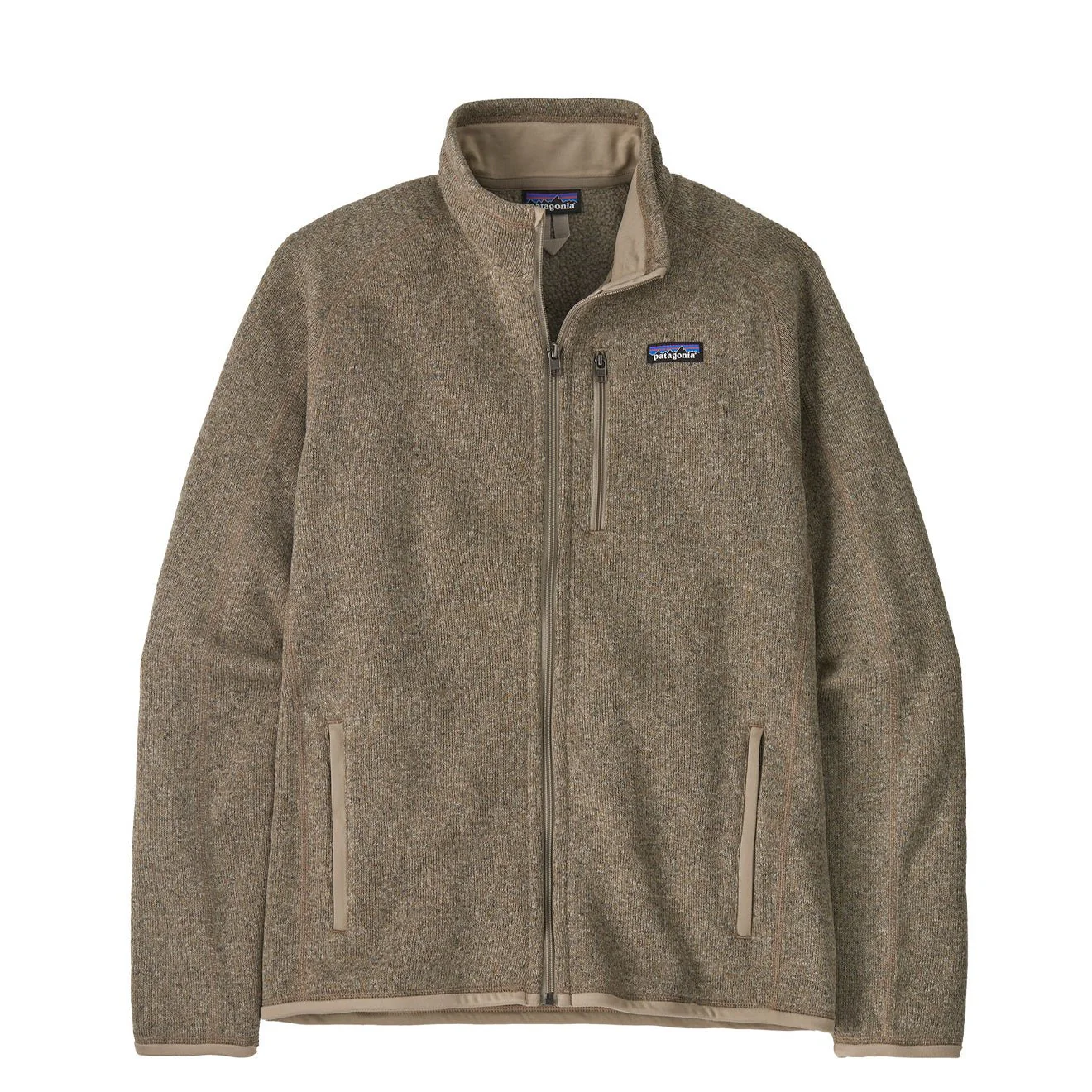
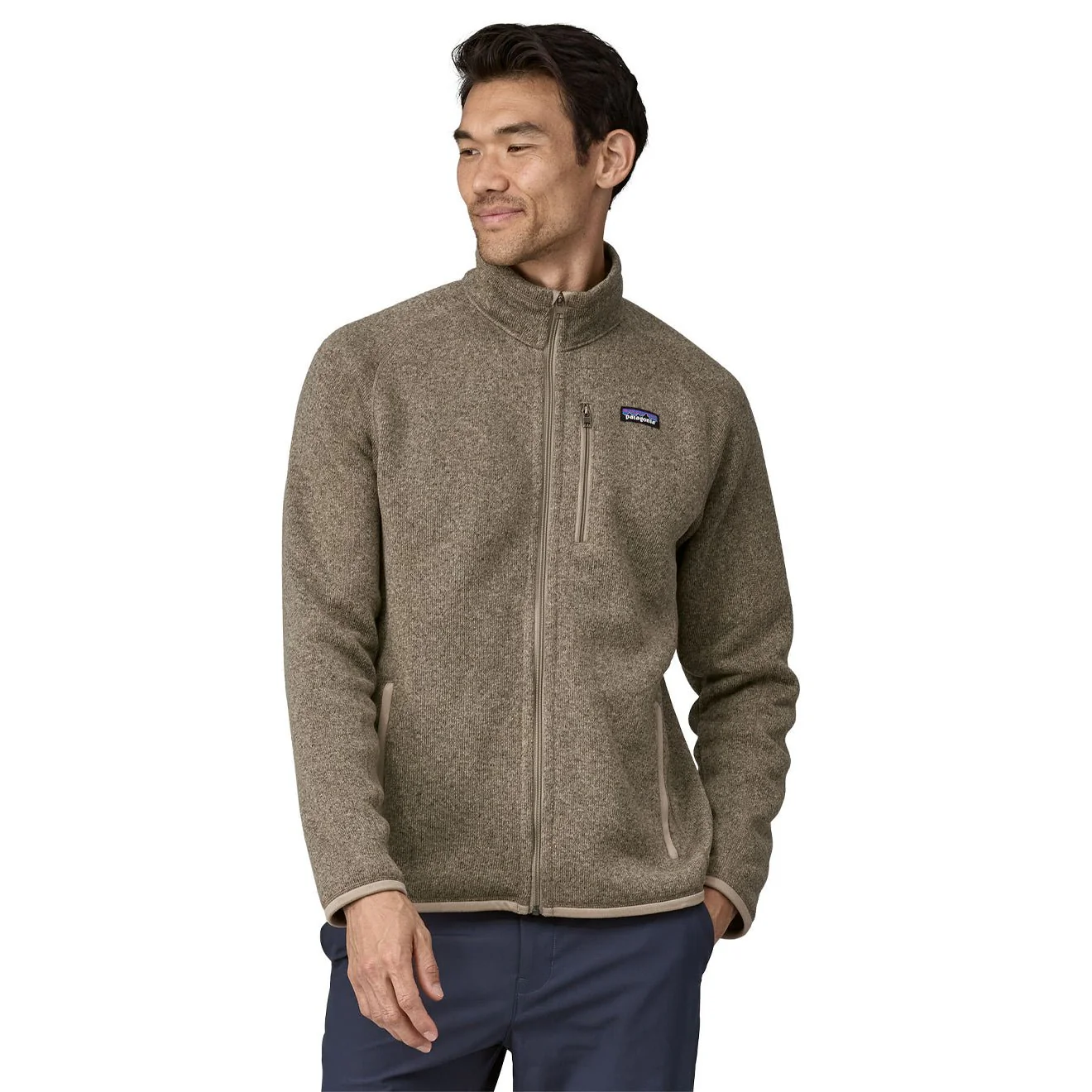
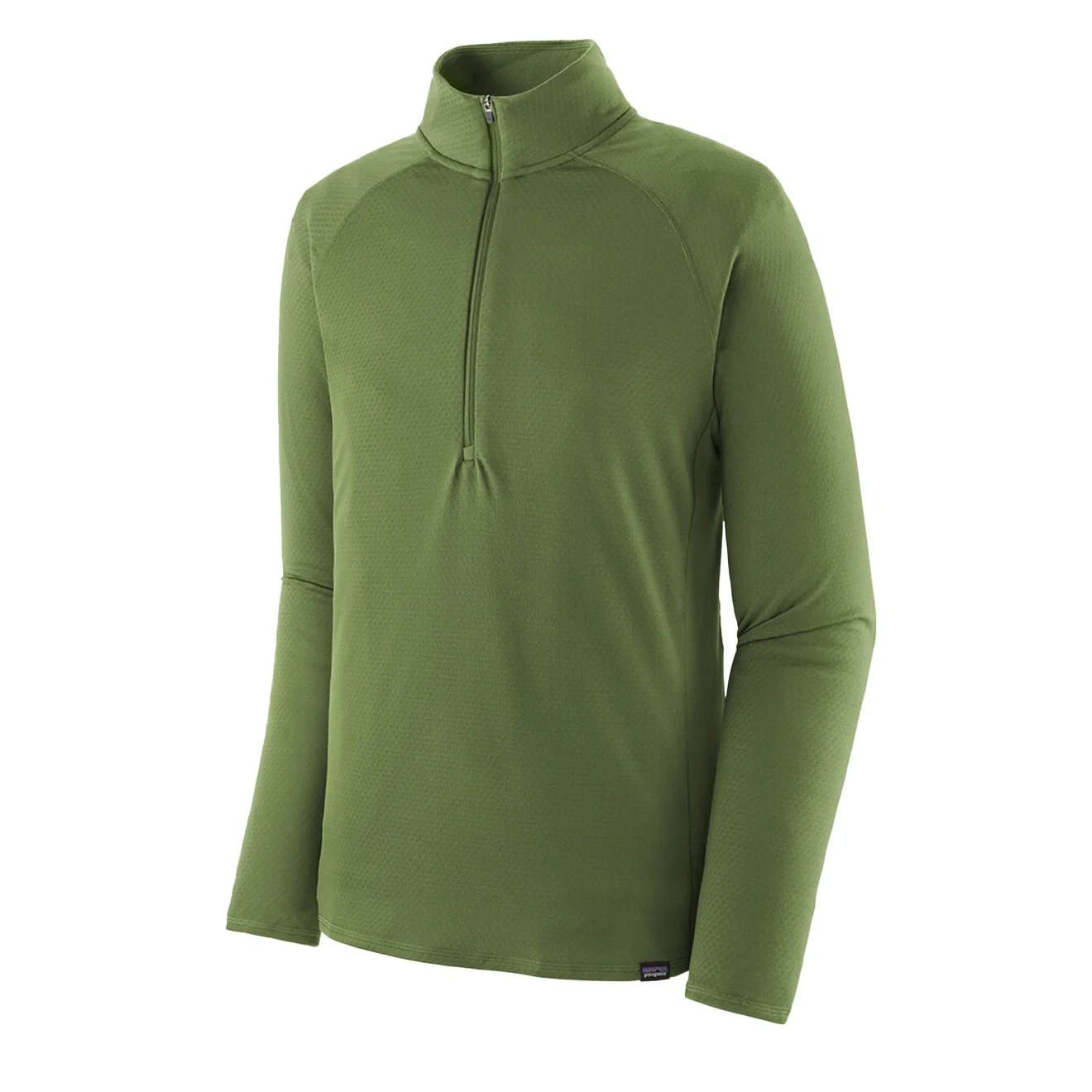
Ideal for when you need a little extra warmth the Patagonia Better Sweater 1/4 Zip Fleece is made from polyester with a fleece lined inner that wicks moisture. Comfort and ease of movement are guaranteed with the raglan sleeves.
- Polyester
- Fleece lined
- Reglan sleeves
- Micropolyester jersey trims on the cuffs and hem for comfort
- Flat seams
- Easy to pull on and off with 1/4 zip design
- Chest pocket with zipper
- Dyed using an environmentally friendly method - uses less chemicals, water and energy compared to the usual methods
Select Size
Select Colour
From $62.04
Original: $177.27
-65%Patagonia Better Sweater 1/4 Zip Fleece Black—
$177.27
$62.04Patagonia Better Sweater 1/4 Zip Fleece Black
Ideal for when you need a little extra warmth the Patagonia Better Sweater 1/4 Zip Fleece is made from polyester with a fleece lined inner that wicks moisture. Comfort and ease of movement are guaranteed with the raglan sleeves.
- Polyester
- Fleece lined
- Reglan sleeves
- Micropolyester jersey trims on the cuffs and hem for comfort
- Flat seams
- Easy to pull on and off with 1/4 zip design
- Chest pocket with zipper
- Dyed using an environmentally friendly method - uses less chemicals, water and energy compared to the usual methods
Product Information
Product Information
Shipping & Returns
Shipping & Returns
Description
Ideal for when you need a little extra warmth the Patagonia Better Sweater 1/4 Zip Fleece is made from polyester with a fleece lined inner that wicks moisture. Comfort and ease of movement are guaranteed with the raglan sleeves.
- Polyester
- Fleece lined
- Reglan sleeves
- Micropolyester jersey trims on the cuffs and hem for comfort
- Flat seams
- Easy to pull on and off with 1/4 zip design
- Chest pocket with zipper
- Dyed using an environmentally friendly method - uses less chemicals, water and energy compared to the usual methods